


Golden years, busy days: Why some seniors keep working
By: Bhupinder Kaur
What if retirement wasn’t the end of working life, but just the start of something new? In Aotearoa, many older people are choosing not to slow down. Instead, they’re staying active, staying social, and staying on the job well beyond the age of 65.
In New Zealand, older adults make up 15% of the population and, it’s becoming more common to see seniors at work. Nearly a quarter of Kiwis over 65 are still working, including 44% of those aged 65 to 69 years.
Whether it’s for the love of the job, the connection of brings, or the purpose it gives, many older kiwis are proving that age is just a number.
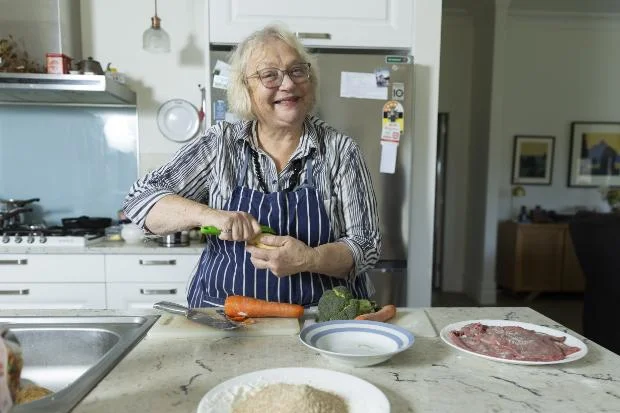
Gail Pittaway (70) retired from full- time teaching in March but has remained in the profession by supervising post graduate students. She’s been an educator for over 38 years and says she’s not ready to stop yet.
“I love what I do,” Pittaway says with a warm smile.

“Being around students keeps me young. I enjoy the energy in the classroom, and I feel like I’m still making a difference.“
Gail Pittaway
According to Te Ara Ahunga Ora Retirement Commission, that 15% equates to 756,000 people aged 65 and older still working in New Zealand, with many of them are showing that age is no barrier to staying involved, connected, and passionate about what they do.
While some seniors do keep working because of living costs, many say it’s really about enjoying their time at work. Senior advocacy organisation Age Concern reports factors like work brightens their day, keeps their minds active, and helps them feel good emotionally. It’s about staying involved and keeping a sense of purpose and structure in their lives.
Greg Churchill, a 65-year-old mechanical Engineer said he also finds joy and purpose in his daily work.
“I’ve got the experience, and still feel strong,” he says.

“The young ones at work come to me with questions, and I like helping them. They also teach me things. It goes both ways.”
Greg Churchill
In Te Ao Māori, kaumātua, elders, are valued for their wisdom, guidance, and leadership. They’re respected, not pushed aside. This cultural view reminds us how important our older generations are not only in our homes, but also in our workplaces.
Pittaway agrees. “Older people have a lot to give,” she said. “We bring patience, understanding, and knowledge, things you don’t learn overnight.”
For Churchill, work helps keep loneliness at bay. “I live on my own, so going to work gives me structure,”he said. “It keeps me busy and makes me feel part of something.”
Research from Massey University supports this. Their studies show that continuing to work can be good for mental and physical health, especially if the work is meaningful. People are living longer and want to keep contributing, learning, and connecting.
As Aotearoa’s population ages, maybe it’s time to rethink retirement? With the right support like flexible hours and age-friendly workplaces, older adults can keep doing what they love.
“I still have a lot to offer,” said Pittaway. “And I’m happy I get to keep doing what I enjoy.”
Pittaway and Churchill are just two examples of older people working in Aotearoa . They show us that growing older doesn’t mean giving up. For them, these are golden years, not of rest, but of purpose, pride, and staying connected.
Bhupinder Kaur is an international student from India. She is studying the Graduate Diploma in Communication at Wintec