

Like Water Under The Bridge
While a large percentage of Hamiltonians utilise the Claudelands bridge for their daily commute and admire the view of the Waikato River, there’s another population who call it home and find solace and belonging in the currents of the Awa beneath it. This piece observes what Lisa from Te Whare Korowai calls the “non-person effect” and how it looks for the homeless population in Hamilton.
The Waikato Awa [river] passes through Kirikiriroa like a vein. Spanning the awa sits the Claudelands bridge. Used by 11,000 people daily, it’s the second most used bridge in Hamilton.
Built in 1914 and primarily used as a train bridge, as of the 1960’s this bridge now sits repurposed for easier commute into the city for both pedestrians and vehicles.
However, the daily activities on top of this bridge isn’t its only use.
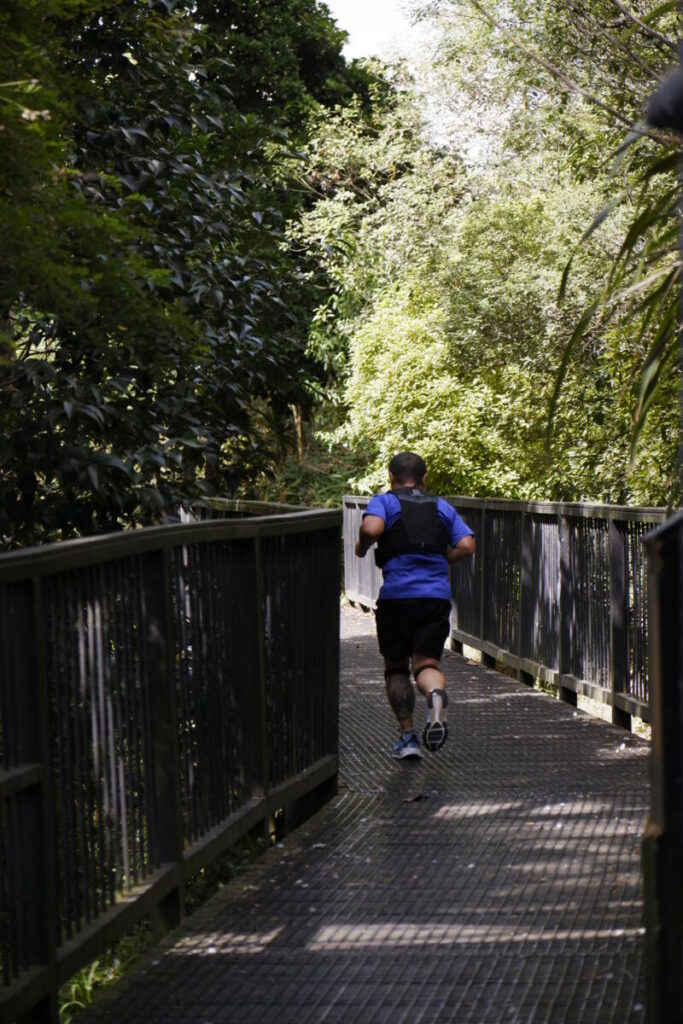
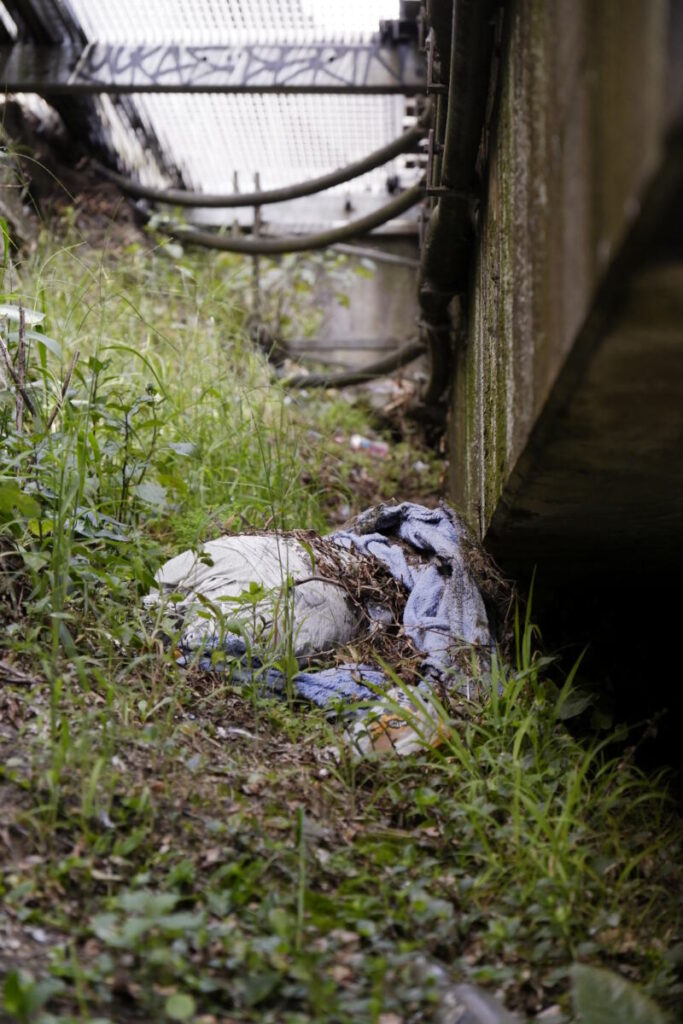
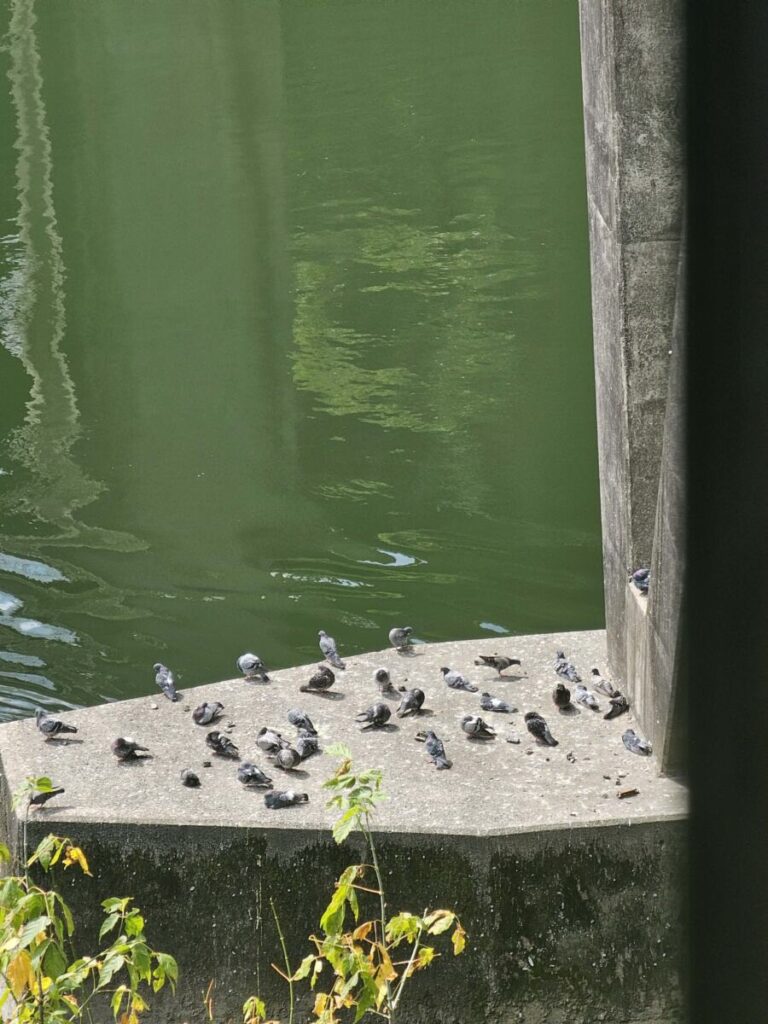
On a cold autumn morning, a man packs up camp before the daily activities on the riverside start up. A small pile of belongings sits neatly packed into the borrowed trolley next to him. He watches joggers pass each morning, their headphones on, looking straight ahead, and occasionally glancing at the water.
For most, life under the bridge remains largely out of mind.
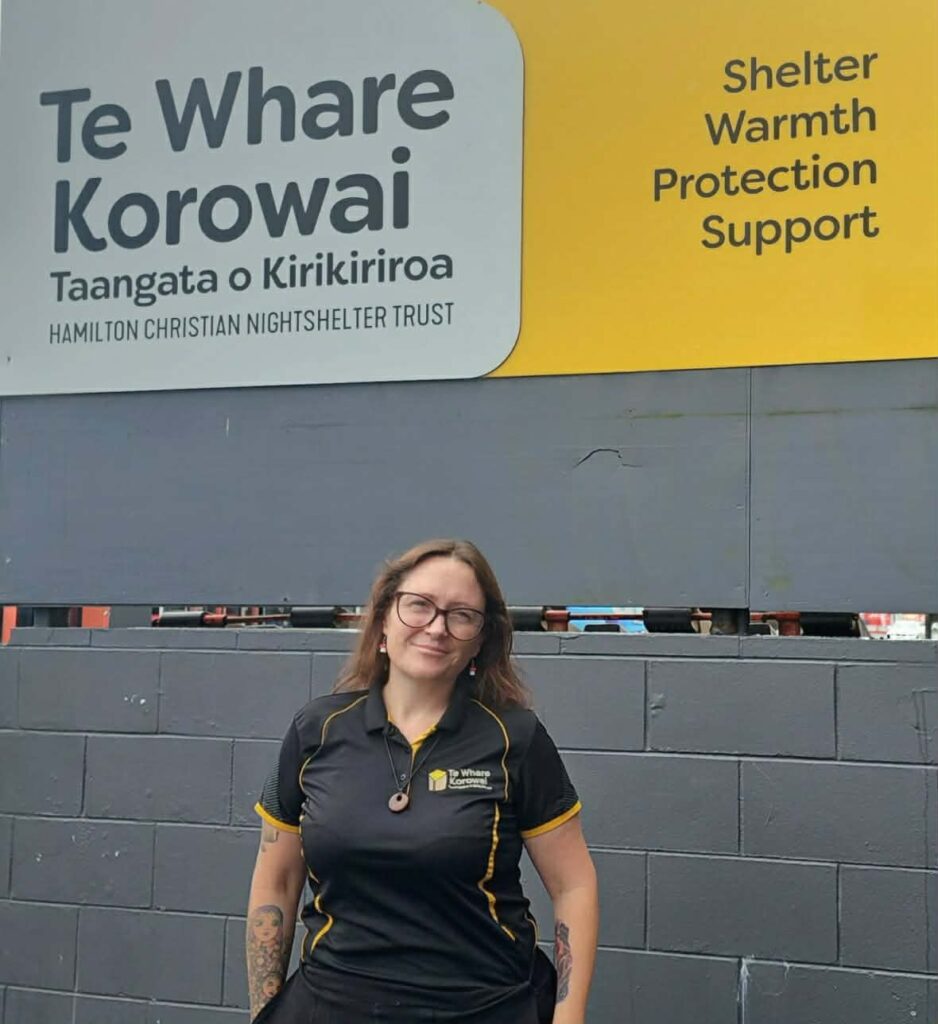
Lisa Rayner-Strong, Hub Coordinator at Te Whare Korowai, has seen a variety of approaches towards her whānau living along the river. “Some people unpack what they see […] others drive around it entirely, It’s that non-person effect”.
While there is a divide in approach from individuals, there is a commonality in public consultation documents. A recent Hamilton City Council Pulse survey, cites the Waikato awa as one of Hamilton’s best features but highlights concerns about safety. These are usually raised about people and not the awa itself, however, not everyone sees it that way.
One of Lisa’s whānau refers to the correlation between their whānau and the awa, emphasising the shared persistence to continue onwards despite barriers. As well as his people, he says “The awa will never betray its direction,”
In 2017, Waikato Awa was granted legal personhood, recognition that it is not simply water or a scenic spot but an entity that carries memory, grief, and whakapapa.
In the coming year, the Waikato awa is destined for some big plans with a 4.9 million allocation in the Hamilton City Council River Plan. But those who find sanctuary in the awa and the shelter of the bridge may not feature in the branding, logos, or selfies. Despite that, life will go on, the awa will continue to flow beneath the bridge, and by evening, there’ll be another quiet spot to settle down.
McKayla Jefferey is a Year 1 Bachelor of Communication student.