

The Waikato River: A place of fear, and a way home
There is a strong bond between Waka (Māori canoe), the Waikato River, and Māori identity. Through the personal stories and perspectives, there are some who find the river might be scary and dangerous, but it also validates an identity, spiritual connection, and sense of belonging to the Māori people and those who live near the river.
The Māori canoe Te Winika is displayed in the Waikato Museum. This taonga (treasure) faces toward the Waikato River. The place it belongs to. It was gifted in 1973 to the museum by the Māori Queen: Dame Te Atairangikaahu. The waka demonstrates that the river is not only a physical place but also acts as a strong connection to history, cultural heritage, and wairua (spirituality).
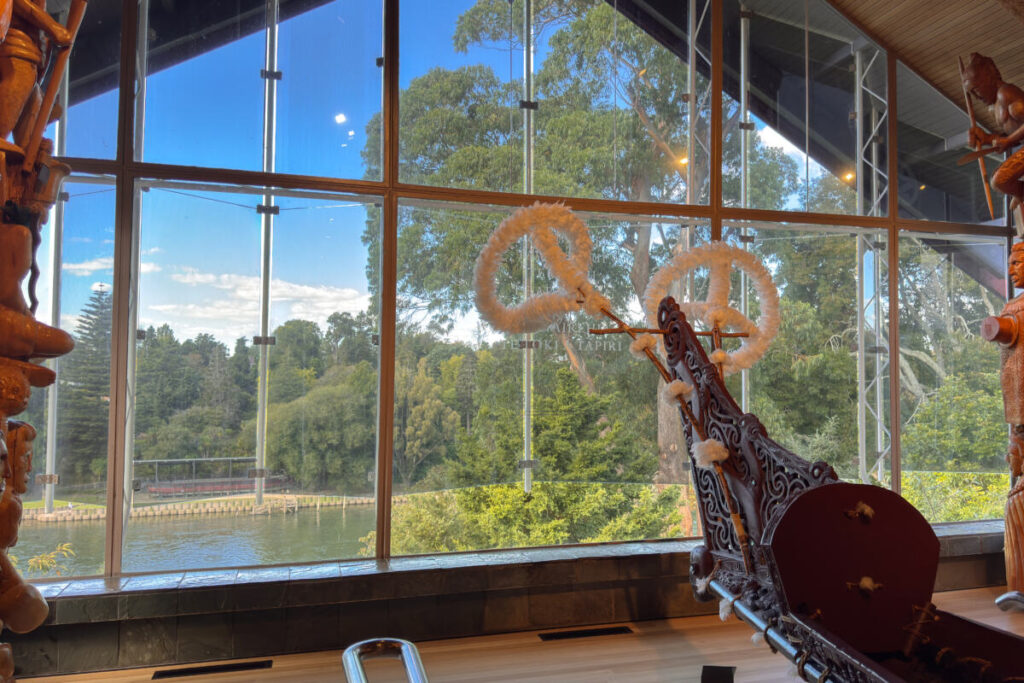
Waka, such as Tainui waka, were essential for Māori. Since they were in the main form of transportation that helped Māori people reach Aotearoa over 500 years ago, they symbolize identity and ancestry. Today, waka like Te Winika continue to reflect the historical continuity and represent the descendants of Tainui in Waikato. The Waikato River is considered a sacred place, and it has a strong influence on the spiritual life of those who live near to the river.
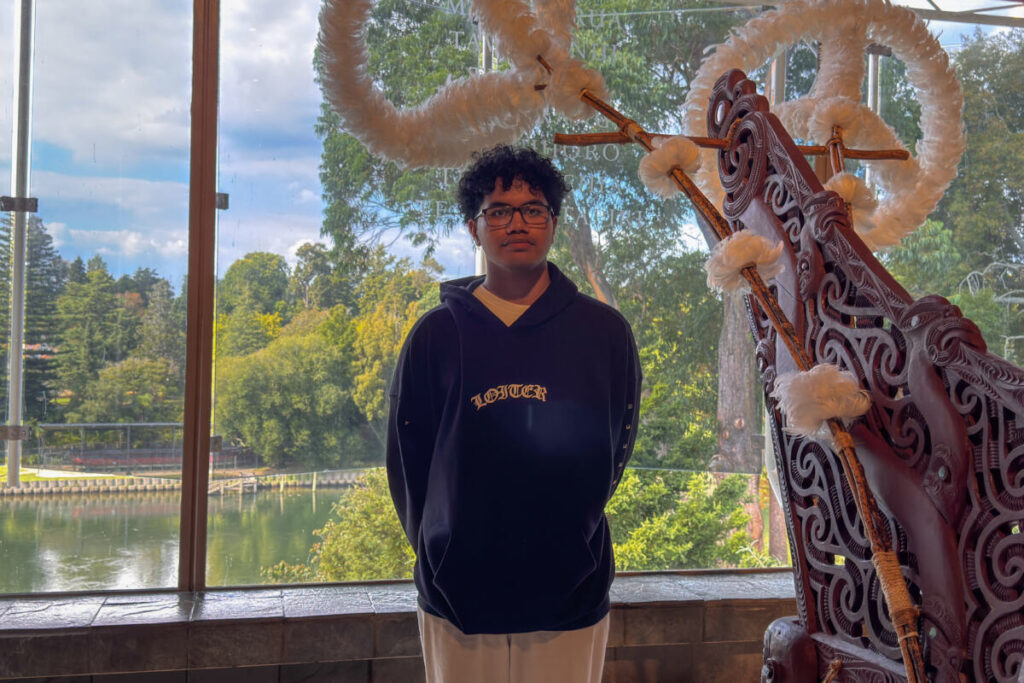
Matthew Lowrie, who whakapapas to Tainui waka, Ngāti Maniapoto, and Taranaki iwi, describes the Waikato River as both frightening and deeply meaningful because it is a place where taniwha and spirits reside. One experience was when his brother was in the water and felt like someone dragged him under the water, and when he and his dad saw a mysterious figure disappearing into the water.
“It’s scary, but it is a way home.”
Matthew Lowrie
Matthew said that his experiences with the awa have created a complex relationship of fear and familiarity.
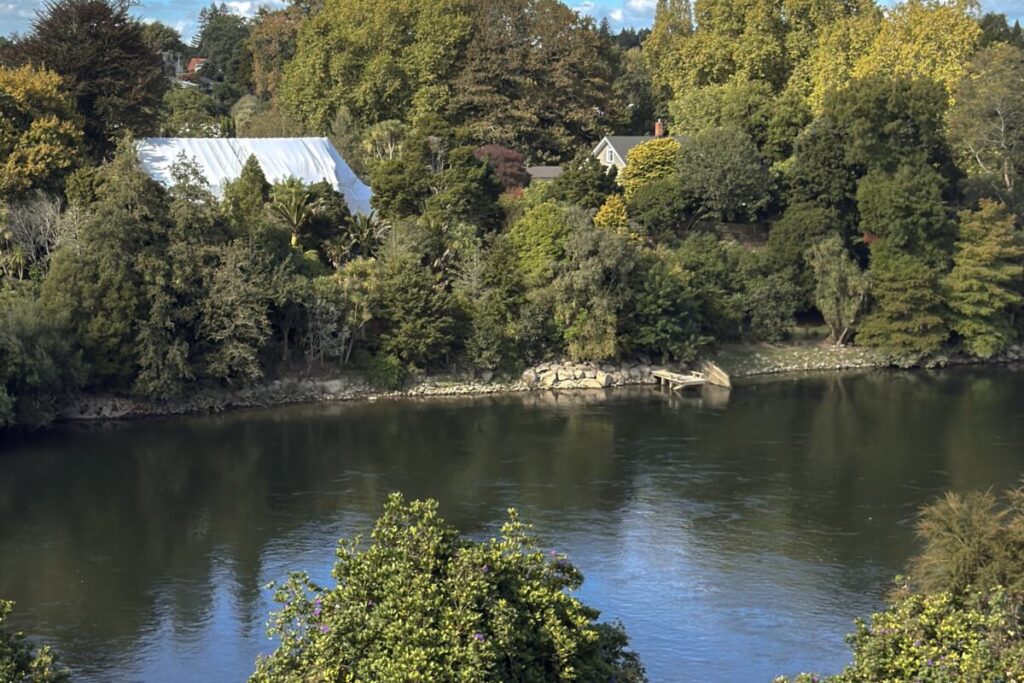
Matthew explains that he has “always been fascinated with how the waka looks” and shares that the waka and the awa closely relate to his identity and whakapapa due to his link to his ancestors and create a form of belonging. This highlights his individual link to both the waka and the river.
Matthew feels comfortable with Te Winika being displayed in the museum instead of on the river as long as it is cared for, preserved, and respected. He points out that it can be subjective to Iwi and Māori, stating, “I think it also depends on the people who the waka belongs to.”
He shares it is important to display these historical treasures as taonga rather than just objects, so that they can receive the care and respect expected for them.
The relationship between waka and the awa for those who live nearby is not only about respect and reverence; it is also shaped by fear, memory, and identity and serves as an anchor to their past while guiding them home.
Phulong Linh (Noël) is a Year 1 Bachelor of Communication student. This is her first story for the Waikato Independent