

Buzzed out on bats
The Night-time Discovery Walk’s summer season begins this Thursday November 5 at Hamilton Gardens.
Guide Paul Murray, a New Zealander of Canadian descent, will be leading groups in search of New Zealand’s only native land mammal, the pekapeka, and other species.
Murray, who has 15 years’ experience in environmental education, said tourist will be searching in the dark for pekapeka, “using bat detectors, which look like walkie-talkies,”
Detectors are tuned in to the frequency of the bats ‘echo location’ of 40 kHz, so you can hear them through the soundwaves they generate.
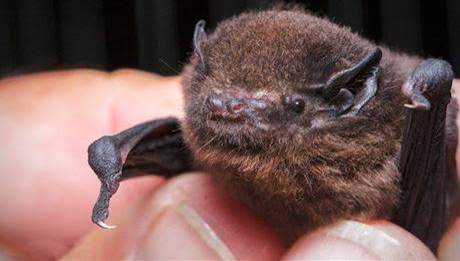

Pekapeka, New Zealand long and short tailed bats, weigh the same amount as a two-dollar coin or eight grams. They are around six cm in length and have a wingspan of 25 -30 cm.
However, despite their small size, they can fly up to 60kmh, travel up to 50km from their roost and are excellent insect hunters.
In Māori tradition they are a taonga-treasure linked to spiritual protection and Hine-nui-te-pō – the great woman of the night.
A common misconception is that bats are blind, they can see in daylight but are usually sleeping and use sonar at night for detection, and direction.
As well as an opportunity to try and detect pekapeka, the tours are an important way to highlight the issues facing the species. The short tail pekapeka is listed as being in a threatened state and the long tail is marked as highly critical.
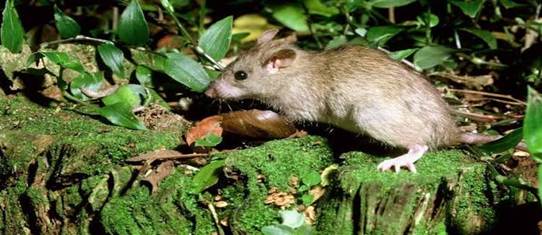
This is due to urban expansion destroying habitat and the bats being hunted by introduced species; such as possums, cats and rats. Pekapeka are extremely vulnerable because they live in the pockets of trees, and these predators are excellent climbers.
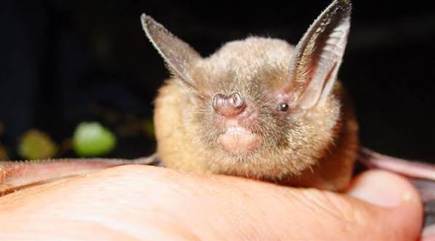
Murray will be addressing these issues through education, but he tells me one of the questions he asks first is, “before tonight, who knew we have bats here in Hamilton or New Zealand?”
No, is often the response. So, he gets great joy teaching people the story of the pekapeka.
Murray is looking forward to the night tours, “they are always so exciting, because pekapeka are so unusual. When people encounter them, they go away so buzzed out.”
This year the tours have been broadened to include the whole night-time environment and the study of the ecology as a connected whole, including ruru – the New Zealand owl, pekapeka, glow worms, and insects.”
Murray said, “Walking through the gardens at night is a unique and beautiful experience.”
Paul Murray works for Go Eco, a trust that focuses on environmental and social justice.
Bookings are available here.