

How a game can bring your stories to life!
Rolling the dice and finding yourself: How roleplaying games can offer more than an escape.
For Hoss Aneece, being part of a group where people socialise and tell stories amongst friends helped him through a rough patch. “Through those stories you can get a lot of self-reflection,” he said.
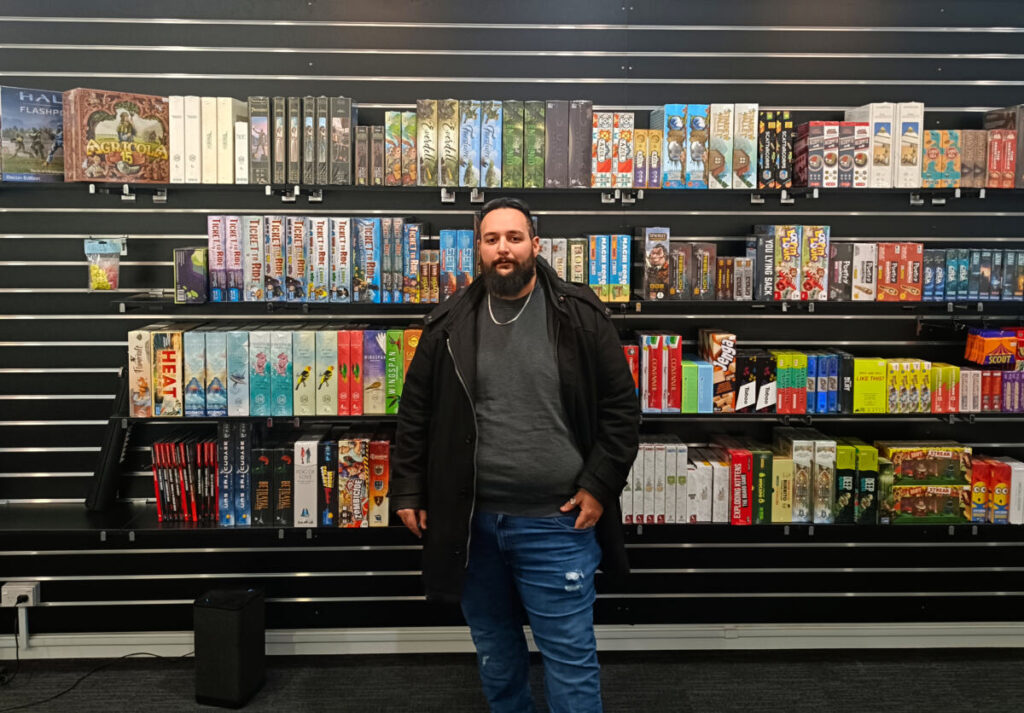
“Through those stories you can get a lot of self-reflection”
Hoss Aneece
While roleplaying games (RPGs), where players take on fictional characters and create stories together, often offer pre-written campaigns, many players prefer to get creative by developing their own storylines and characters. Players can put a lot of their own experiences into these created characters, giving it a unique twist and interesting outcomes. It also provides different experiences every time the game is played.
Hoss said the community itself is very accepting – “You’ll find massive overlaps within the environment, even touching on other subcultures and other nations in the society”.
Roleplaying as a system has also helped a lot of people who are neurodivergent and helped expand their own social capability and safe spaces, “It really does accept anybody and everybody, it really is that inviting” Hoss stated. “I’ve had fun showcasing new games to people and seeing what others have created”.
There are many places players can communicate at any time, with multiple different online groups through Discord servers or Facebook guilds.
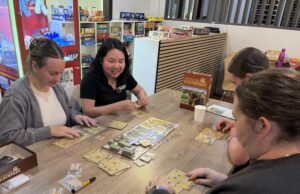
If players are looking for a more social connection, stores such as Gaming DNA, Card Merchant and Hobby Lords offer large social spaces anyone can attend.
Working with others helped roleplay enthusiast Hoss, who was in RPG development for over 4 years.
“When involved in RPG devolvement, I was a Game Master (GM) who showcase games you were developing’’ Hoss says. “I was also a former lead Visual artist for River Swap Studios”.
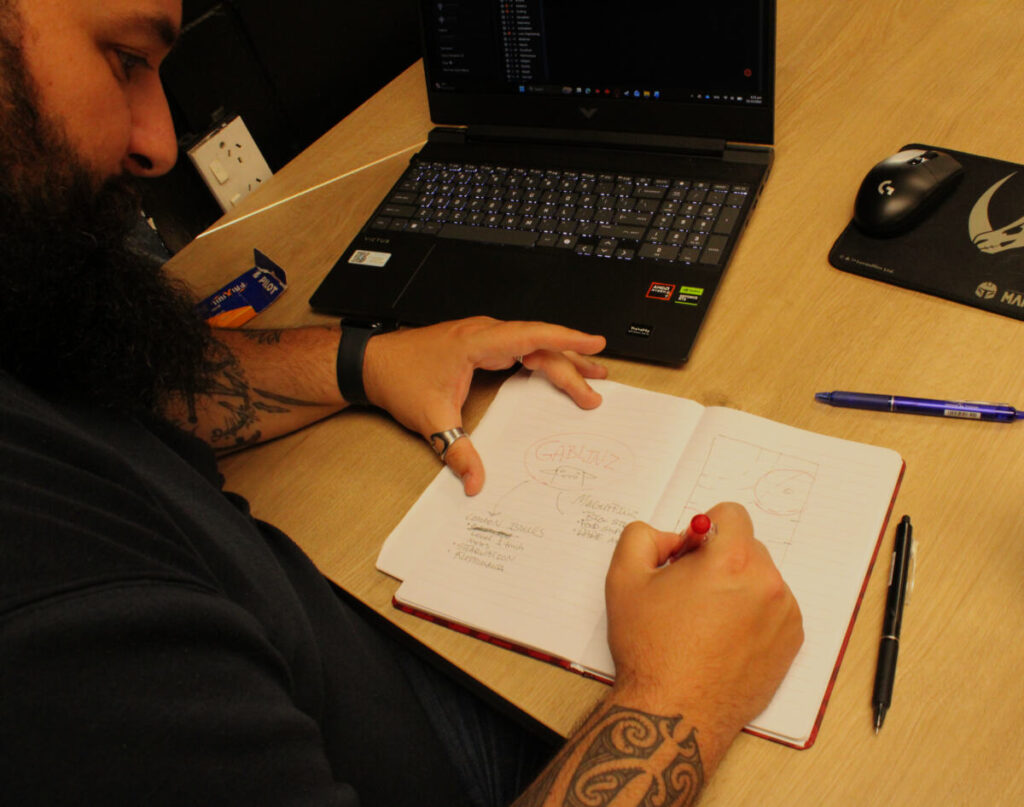
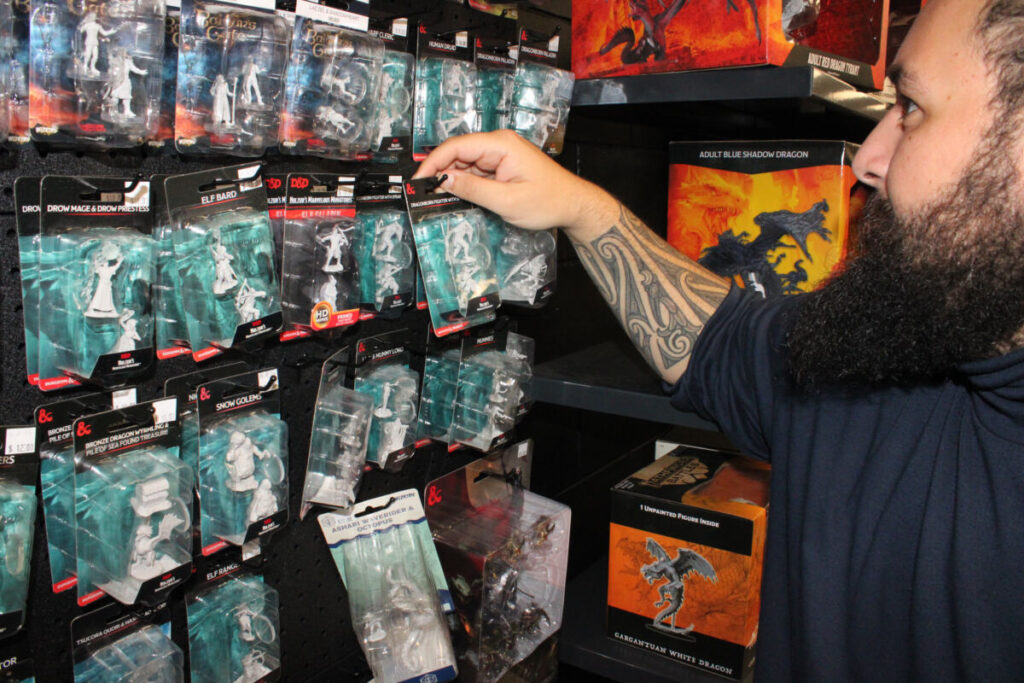
‘‘A good game master supplies a Socratic approach to collaborative storytelling, they present the goal, the players express their methods, motives and logic, and the game master helps them pave their own road’’ Hoss Aneece
Two creative elements a GM should know are; listening and responding. This includes keeping players on their toes without making them feel completely trapped. Working with the players to figure out motives and figuring out what they love about the space. Being fluid with their motives so players are making their own story within the story.
Every game requires creativity, problem solving and strategy. Many RPGs such as Dungeons and Dragons, Pathfinder, Worlds of Darkness and others in the genre, use campaign stories that guide players through the game.
The most creative elements in RPGs are how players can respond in all different kinds of creative and challenging interventive ways. It is a constant game of problem solving.
Problem solving, strategy, socialising, self-healing and storytelling are aspects rolled into just one game. RPGs can be something worth trying if you are just looking for something new or interested in getting into.
Find out more: Interested in getting involved in roleplaying games? Watch this video and explore tabletop gaming, upcoming events and local gaming communities through Hobby Lords.