

A marae that serves culture & education
Once a land for Waikato hapū for traditional farming, it is now used as a learning hub for both Māori and non-Māori learners.
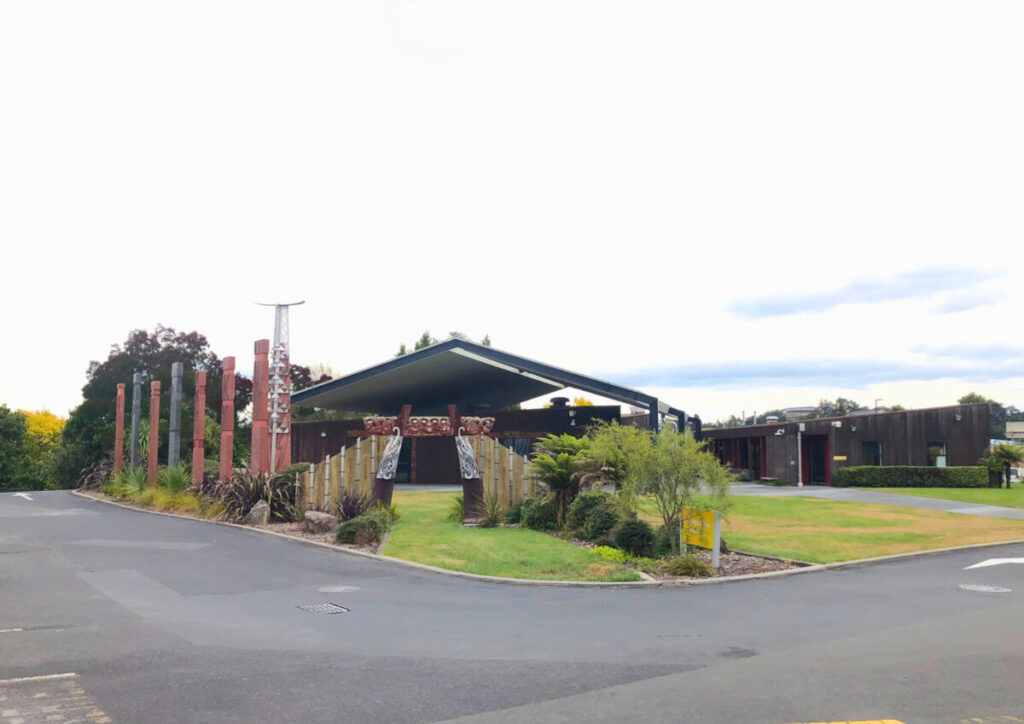
That place is Te Kōpū Mānia o Kirikiriroa Marae Waikato Institute of Technology (Wintec), which is nestled inside the Hamilton City Business District. Where both international and domestic students went to learn about Māori culture and education.
The difference of this marae from other marae in Aotearoa, New Zealand was its rich history, connection to Māori culture, and its honouring of the fertile land that once nourished the Waikato, reflecting the legacy of the Tainui people who settled in the area.
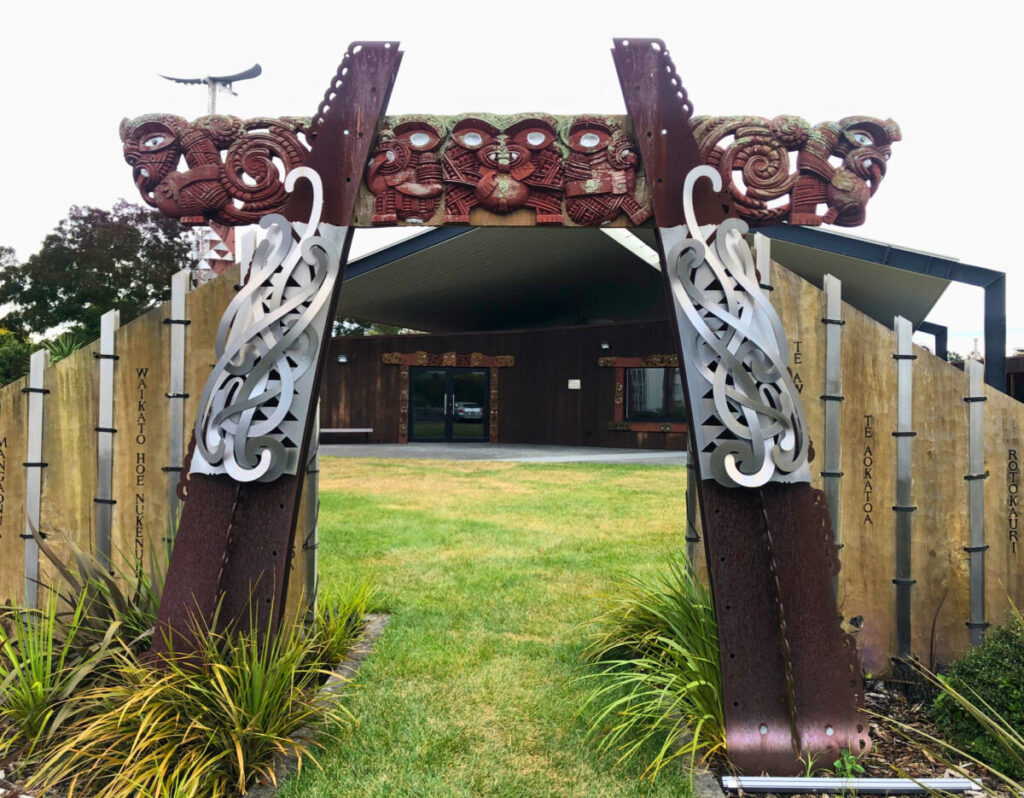
“It is a hub of learning for both Māori and non-Māori learners.”
Early this year, a pōwhiri celebration was held at the marae to welcome new students to the institution. It featured Māori culture, dance, and Māori-Waiata.
Henare Maxwell, Kaiārahi Māori, said, “Te Kōpū Mānia o Kirikiriroa Marae now becomes their marae — not only for Māori, but for anyone who comes to Wintec and doesn’t have a home.”
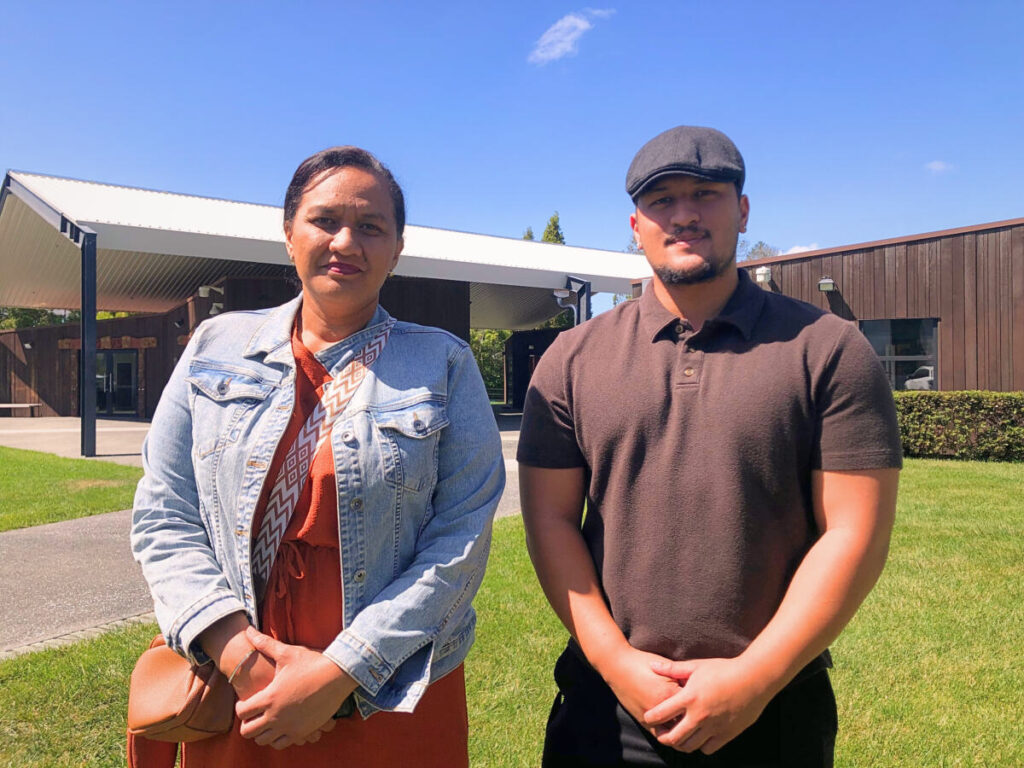
“Te Kōpū Mānia o Kirikiriroa Marae now becomes their marae – not only for Māori, but for anyone who comes to Wintec and doesn’t have a home.”
“The carvings were created by Tainui master carver Warren McGrath, blending tōtara, concrete, and stainless steel in a modern interpretation of ancestral forms.”
Maxwell added that the marae serves another purpose: ceremonial events, workshops, conferences, seminars, lectures, and demonstrations, as well as cultural, pastoral, and community support for ākonga and kaimahi.
“The marae physically embeds Māori values, identity, and tikanga into the centre of Wintec’s city campus.”
Kaihautū Māori, Tikina Heremia, said the marae is a cultural laboratory for ākonga. “As laboratories are to chemistry and physics, the marae acts as a cultural laboratory for teaching tikanga, reo, and Māori studies.”
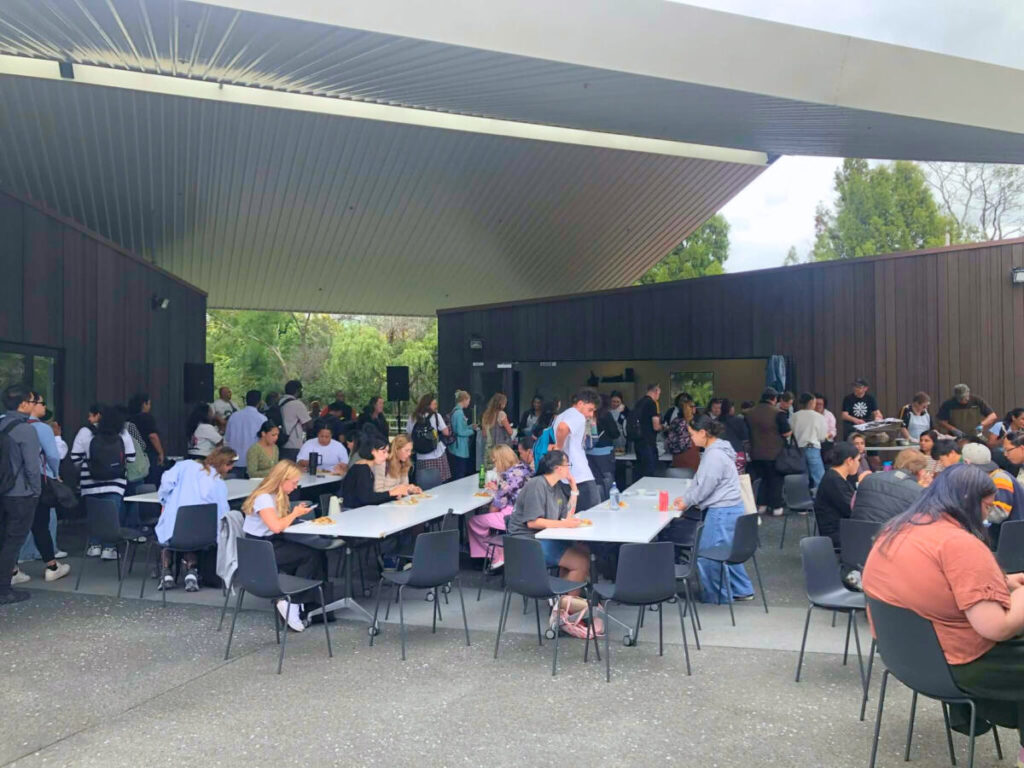
The establishment of Te Kōpū Mānia o Kirikiriroa’s concrete vision went beyond Māori culture. Initiated by Te Arikinui Dame Te Atairangikaahu, the first Māori Queen, it was envisioned to be a hub of learning for all.
Opened in 2012 by Kingi Tuheitia, Te Kōpū Mānia o Kirikiriroa celebrated its 14th birthday this year, and is acknowledged for its outstanding work for Wintec.
Reporting on the opening of the marae in 2012, RNZ reported that “Wintec says the $2.25 million marae would be a spiritual home for Māori and other cultures.”
“It features a meeting house and a wharekai -dining room and kitchen,” added RNZ.
A marae on the site was first located where the Gallagher Hub now sits, before the new buildings were designed for its current location.
Te Kōpū Mānia o Kirikiriroa Marae is truly a haven for Māori and non-Māori learners, and for other people who don’t have a marae while living and studying in Hamilton.
Lachlan Eddie is a Manaaki scholar from the Solomon Islands studying the Diploma in Journalism. This is his first story for the Waikato Independent.