

Young People Take Their Next Step Through YouthQuest
On a cold winter morning, laughter mixed with nervous conversation as a group of young people gathered around tables scattered with worksheets, coloured stickers and pens. Some had just left school, while others were still trying to figure out what came next. A few had been encouraged to attend by parents, friends or health professionals, while others simply wanted a clearer sense of direction.
By the end of the two-day Now & Next Youth Quest programme, many were sharing goals they had never spoken aloud before.
The workshop is led by Raglan-based psychologist Annick Janson alongside her daughter and fellow psychologist, Melissa Janson. Together, they have spent the past three years helping young people develop confidence through strengths-based goal setting and positive psychology.
Positive psychology aims to help people discover their strengths and build resilience rather than fixating solely on problems or weaknesses.
“The Youth Quest Programme offers a safe, all-inclusive, supportive community for young people to think together, plan their inspiring future and test what kind of goals they could achieve by achieving some of them right away during the programme,” Annick said.
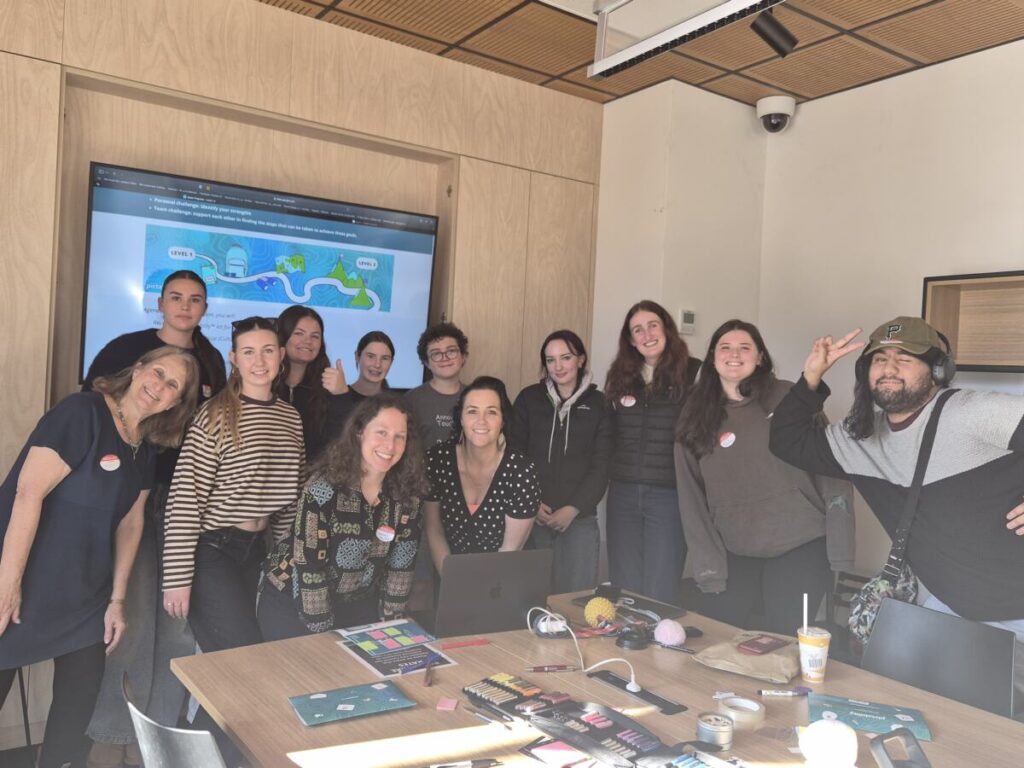
Over two days, the participants worked through activities designed to help them identify their strengths, explore what matters most to them and break ambitious goals into realistic next steps.
Rather than focusing only on careers or study, the programme encourages conversations about wellbeing, relationships, purpose and what a fulfilling life looks like.
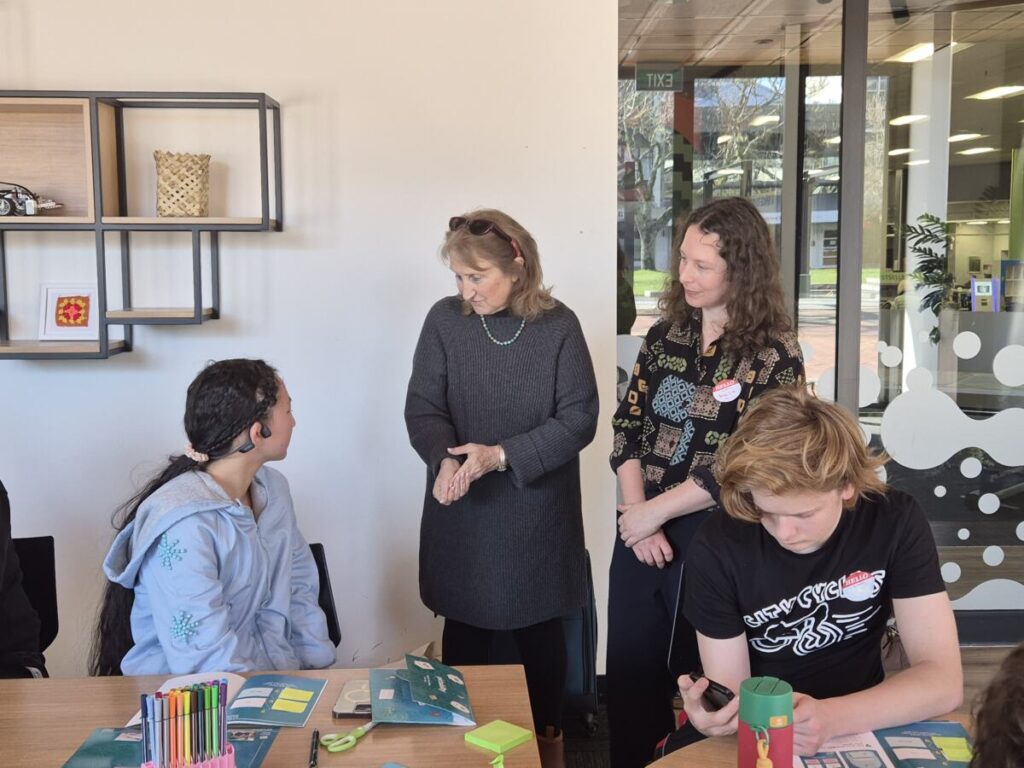
As the workshop progressed, the atmosphere noticeably changed. Conversations became louder, ideas bounced around the tables and participants who had seemed hesitant at the beginning of the day were confidently sharing their thoughts with others. A specific example being when they had to discuss their goals in pairs and help each other figure out the first step they could take immediately. A ‘coach and be coached’ model they’ve designed.
One participant, Alex, arrived wanting to find a part-time job while also aspiring of becoming a fashion journalist. As a Year 11 student, she wasn’t sure what her next step should be. Through the activities, she began identifying practical ways to move closer to that goal instead of feeling stuck wondering where to start.
Another participant, Grayson, found value in the programme in a different way. After completing one of the goal-setting activities, he carefully peeled every sticker off his board and placed them back onto the original sheet. He wanted to keep the activity intact so he could repeat it later, reflect on his strengths again and see how his goals changed over time.
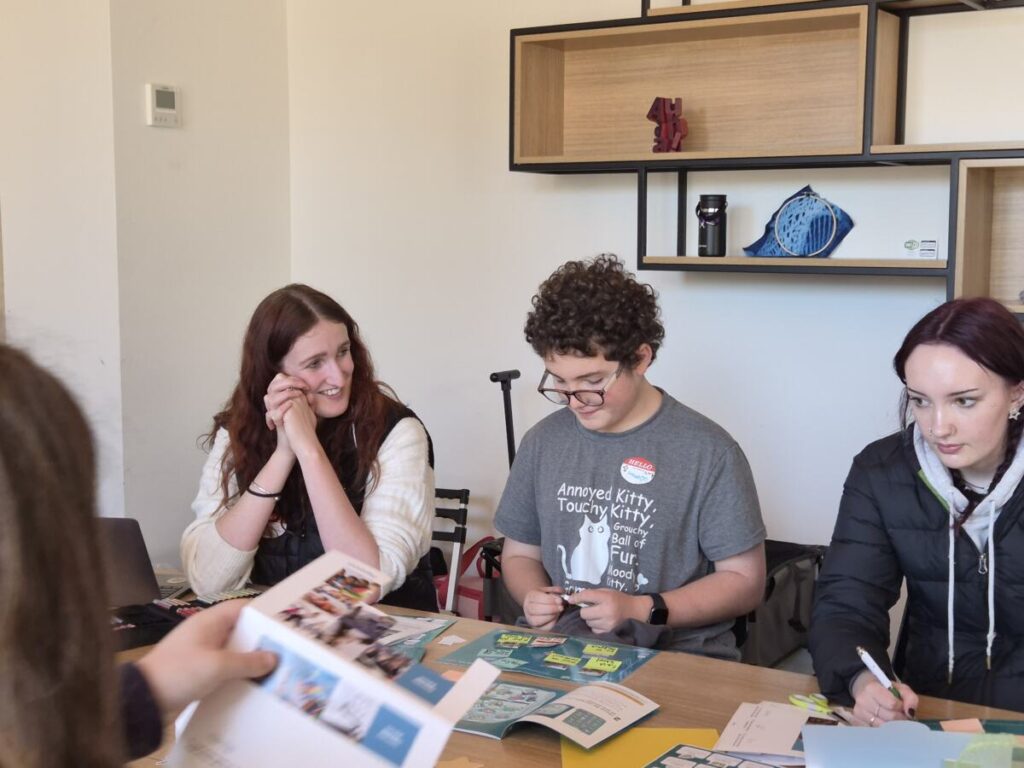
For psychology student Kate, that journey began last year when she attended the workshop as a participant.
“It was quite random,” she said. “A friend had been recommended the workshop, and I just went along. I honestly thought it would be an ADHD-specific programme.”
Instead, Kate found herself reflecting on something much more personal.
“I realised I’d been missing something quite fundamental,” she said. “I hadn’t been putting those wellbeing practices into my own life.”
That experience inspired her to return as a facilitator, helping guide other young people through the same conversations that had challenged her.
“We go to school to be learners,” Kate said. “But there isn’t enough focus on learning how to look after ourselves.”
For Kate, one of the programme’s greatest strengths is that it doesn’t tell young people who they should become. Instead, it gives them the space to work out who they already are and what matters most to them.
By the end of the afternoon, the room looked very different from when everyone first arrived. Participants lingered to compare ideas, talk with facilitators and continue conversations that had started during the activities. They didn’t leave with every answer about the future, but many left with something just as valuable, a clearer idea of their next step.
Hafsa Hussain is studying the NZ Diploma in Journalism