

More Than Music: The Community Behind Nivara Lounge
hbhqd2hb hk2wvd
For some people, Nivara Lounge is more than a place to perform, it is where they find their people.
On a recent night at Nivara Lounge, Stephanie McBride wasn’t there just to sing. She was selling bracelets to support a friend struggling with the cost of living.
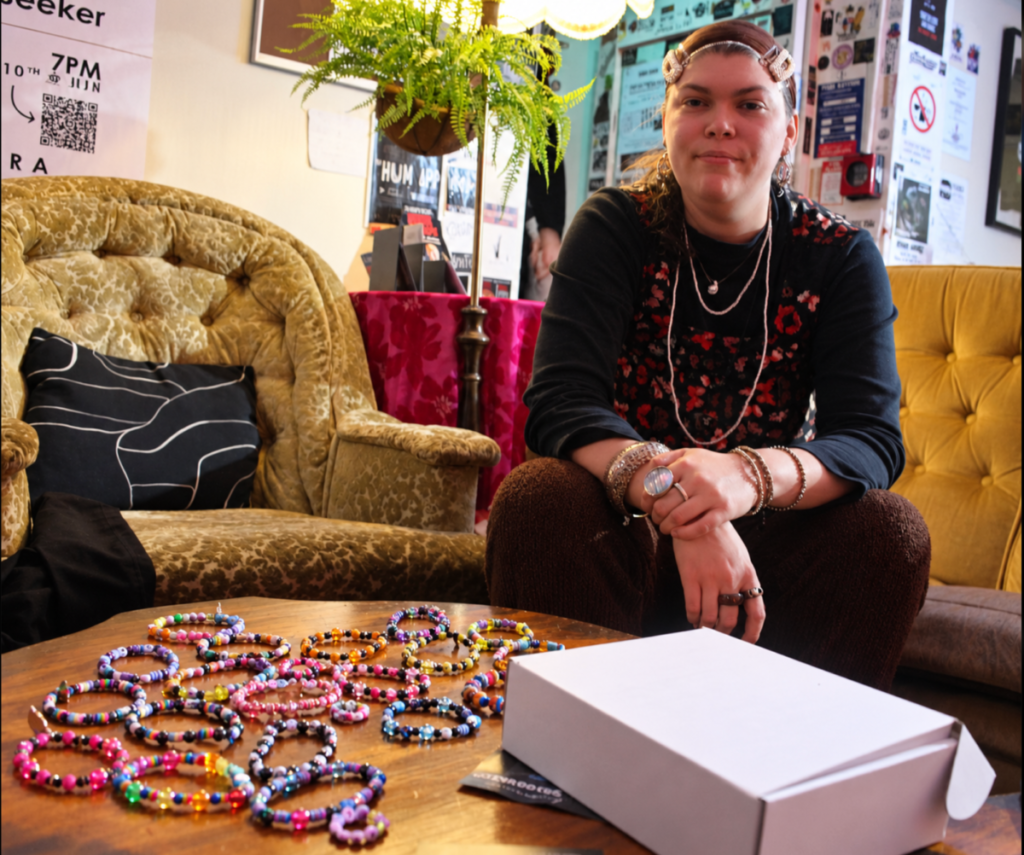
“It’s a found family vibe here.”
stephanie Mcbride
It is a small example of what has grown around Nivara’s open mic over the years: a community where people come not only to perform, but to support one another. Nivara’s open mic has been part of Hamilton’s creative scene for nearly three decades. But with the venue now preparing to close, one question remains: what happens to the community that has grown around the stage?
For McBride, Nivara is more than somewhere to listen to live music, “I just feel automatically welcomed and a member of the family,” she says. “It’s a found family vibe here.” She first wandered into the open mic because she wanted to become more musically educated, but it was the people who kept bringing her back.
“Obviously, the beautiful musicians, the beautiful people, just everyone being gorgeous and friendly,” she says. Her experience reflects something that is easy to overlook about open-mic nights. The stage may be the focus, but the relationships built around it can become just as important as the performances
For regular open mic-goer and musician, Cara Graham, it is those relationships that have made Nivara special. “I’ve made many, many friendships,” Graham says. Over the years, she has formed connections with performers, some of whom she has known since they were teenagers. The open mic has become a place where friendships and musical projects can develop naturally. But Graham says one of the most important things about the night is that artists can contribute no matter their abilities. “The people who are performing do not have to be professional,” she says. “They can just be people who want to have a go.” She has watched young musicians take their first steps onto the stage, including young bands performing publicly for the first time. For those performers, stepping in front of an audience can be intimidating. But the atmosphere at Nivara gives them somewhere to try, make mistakes and build confidence.
“It is a very eclectic community, everyone feels welcome,”
Ivan muir
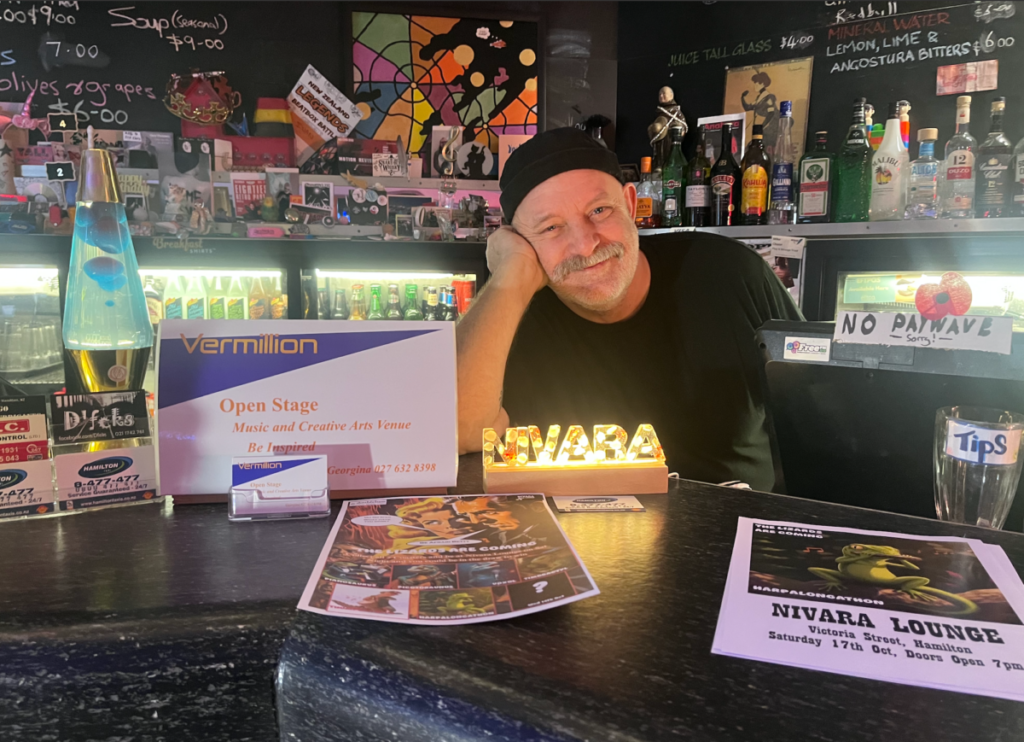
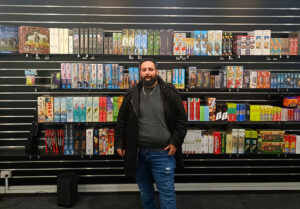
That encouragement is at the heart of what owner Ivan Muir sees as Nivara’s subculture. Muir says the open mic began at the venue when it was known as JBC + Jazz Blues Concept between 1997 and 2000. The open mic returned when the venue became Nivara Lounge in 2014. Since then, the stage has welcomed a vibrant mix of musicians, poets, comedians, dancers, theatre performers and spoken-word artists. “It is a very eclectic community, everyone feels welcome,” Muir says.
For Muir, that sense of openness separates Nivara’s open mic from the wider nightlife scene. “No matter if they forget their words or notes on their instruments, no one is judging them harshly,” he says. “In fact they get support 100% to carry on regardless.” Nivara lounge has become a place where performers can test new songs, experiment with ideas, build confidence and learn how to perform without the pressure of being perfect.
The open mic has also helped launch performers who have gone on to achieve success on bigger stages.Muir recalls New Zealand singer-songwriter Kimbra performing at an open mic at the venue as a child. Kimbra later became internationally recognised, including for her collaboration with Gotye on Somebody That I Used to Know and through her solo career. For Muir, stories like this demonstrate what an open mic can offer beyond a single night’s entertainment.
It can be a starting point.
For a young performer, an open mic might be the first time they hear applause from a room full of strangers. For someone else, it might be where they meet a future bandmate, make a friend or finally find a place where they feel comfortable performing.
Now, nearly 30 years after opening, the venue has announced it will be closing its doors.
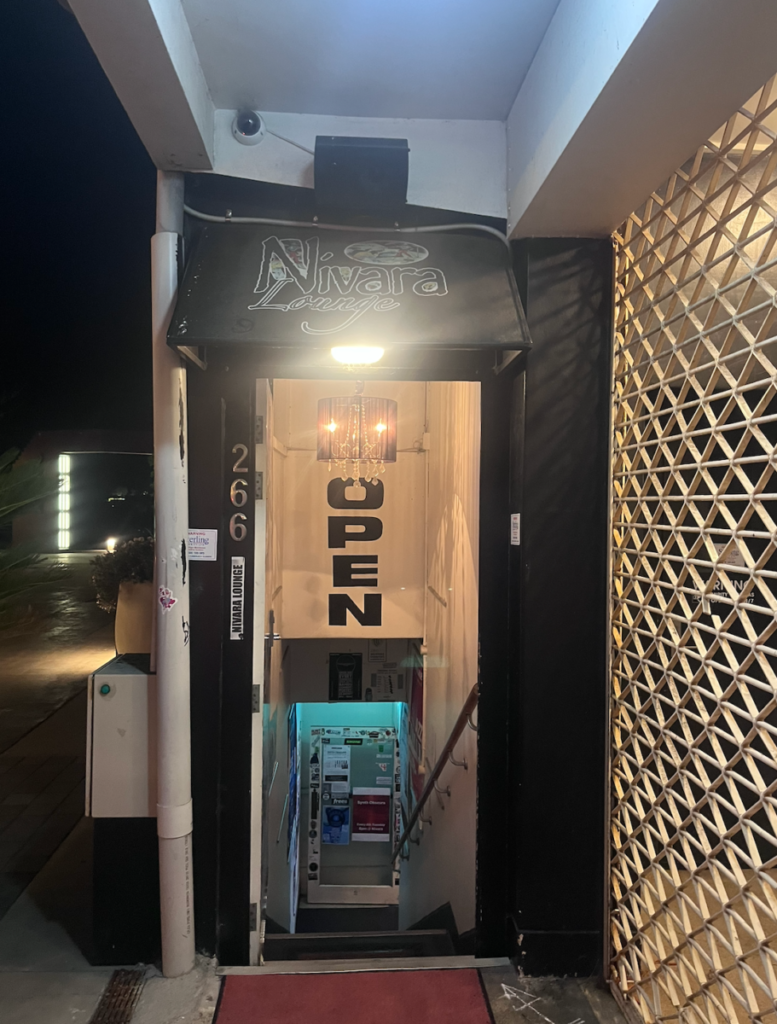
The closure of Nivara is not simply the loss of another music venue. It means losing a familiar room where people recognise each other, where first performances happen, friendships form and creative ideas develop. Nivara demonstrates how a subculture can grow from a physical space. Week after week, people return, familiar faces become friends and the open mic becomes something larger than the performances themselves. But without the venue, that community will have to find somewhere else to gather.
For the performers, the question is where they will go next. For the wider community, it is whether another space can recreate the same sense of belonging.
Nivara’s stage may eventually go dark, but the community built around it does not have to disappear with it. The friendships, confidence and creative connections formed inside its walls will continue with the people who made the open mic what it is. Because sometimes, losing a venue means losing more than a place to perform. It means losing the place where people found each other.
To learn more about Nivara Lounge, its history and its contribution to Hamilton’s creative community, read the AudioCulture feature on Nivara Lounge, follow Nivara Lounge on Facebook for updates, or watch this video about the venue.