

After the diagnosis: what’s next for NZ families?
Getting a diagnosis for symptoms and behaviours can answer years of questions for families, but for some New Zealanders, it can also leave them wondering what they are supposed to do next.
For Karina McHardy, her son’s autism diagnosis was meant to be the start of getting him the support he needed.
Instead, she said, it felt like the end of one process and the beginning of another as she was trying to work out where to go next.
“We received the diagnosis, some paperwork, and very little guidance about what came next,” McHardy said.
McHardy, a health professional and writer, was speaking at Hamilton Book Month’s Health Journeys panel, where speakers discussed autism, ADHD and OCD and their own experiences of diagnosis.
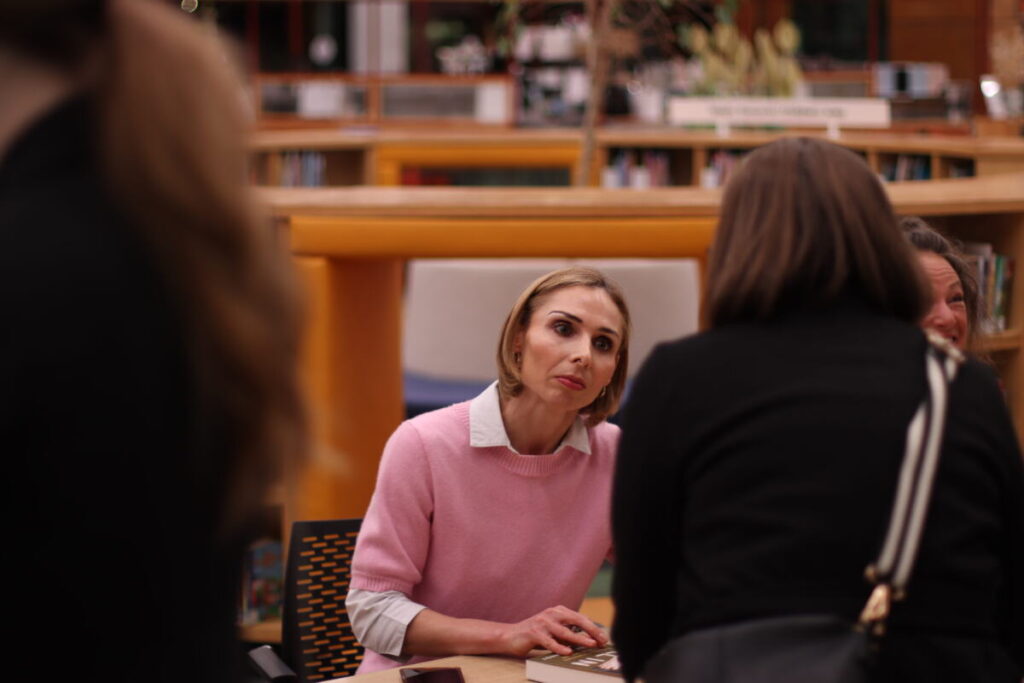
McHardy said her family was told to come back in a year, despite Max having significant support needs during an important period of early development. She ended up researching and organising much of his support herself, including using private therapists.
“We were fortunate to have the resources to do that,” she said. “I’m very conscious that many families simply don’t have those options.”
But there is support available in New Zealand. Bridget White, Deputy Secretary Learning Support at the Ministry of Education, said learning support is based on a child’s identified needs rather than whether they have a formal diagnosis. Schools can work with families and specialist services, with support including learning support coordinators, early intervention teachers, speech-language therapists and psychologists.
Catherine Poutasi, General Manager of Commissioning and Funding at Disability Support Services, said there is a range of support available for autistic people. Families can go through a local Needs Assessment and Service Coordination (NASC) organisation or an Enabling Good Lives site to talk about their needs and what support they may be eligible for.
In New Zealand there are also support agencies like Autism NZ and Altogether Autism, both registered charities, that provide autism information and advice for Autistic people, whānau, professionals, and the community.
Nicola Austin, Chair of Health New Zealand’s Child and Youth Health National Clinical Network, said there is no single pathway after an autism diagnosis because every child’s needs are different. Families may relate to health, disability, education or community services depending on what support they need.
Even with these services available, McHardy said families can still end up doing a lot of the navigating themselves.
That question of “what now?” was also familiar to Julie Legg, who was diagnosed with ADHD at 52.
“The enormous question: Now what?” Legg said.
Legg said her diagnosis helped her understand patterns that had followed her throughout her life. She had spent years appearing capable and organised from the outside, while putting in a lot of effort behind the scenes.
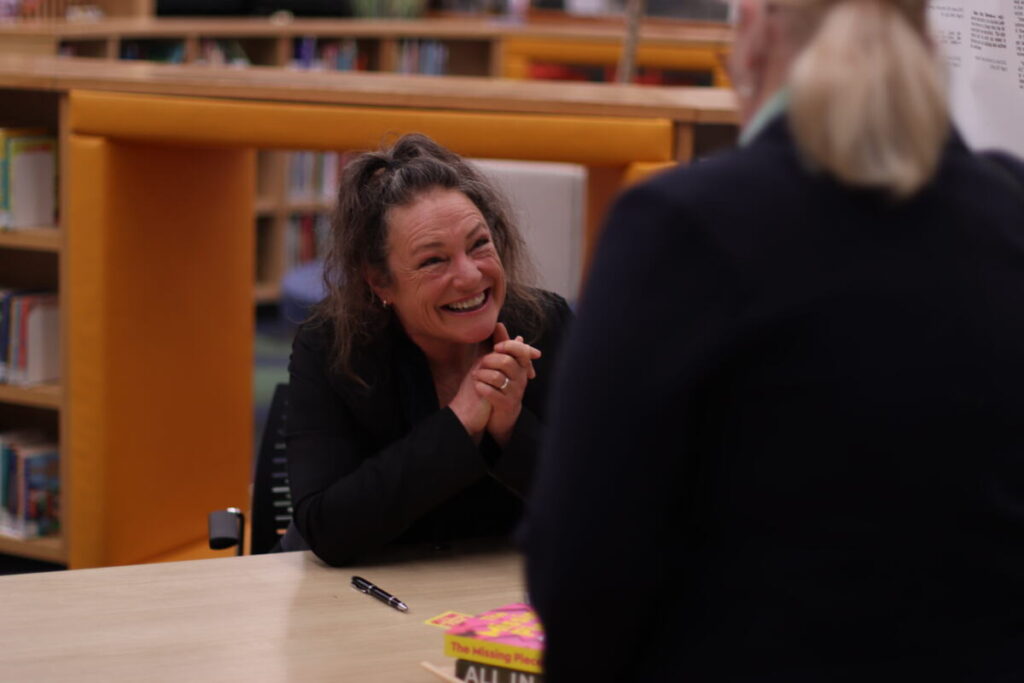
She said being diagnosed could bring relief, but also grief and anger about what might have been different if she had known earlier.
For Legg, getting diagnosed was not about finding something wrong with herself. It was about finally finding information that helped her understand her life.
The two experiences are different but point to the same thing: a diagnosis can explain a lot, but it does not automatically tell a person or family what comes next.
For McHardy, an autism diagnosis should not be treated as the finish line.
“The diagnosis was really the beginning of learning about him,” she said.
For families, getting the answer may be a relief. Finding out what to do with it can be a whole different journey.