


Has social media made everyone dress the same?
Imagine you’re scrolling through TikTok for just 5 minutes and in every video, you encounter a variation of the same outfit: maybe a slick back bun, oversized blazer and a light wash pair of Levi 501 jeans, and don’t forget the ballet flats.
Despite social media promising self-expression and individuality, it seems as though young people are dressing more alike than ever.
Fashion has always been a form of self-expression, a reflection of society and a story of culture, but in the 21st century; how much of what we wear is influenced by social media and algorithms? In a world where more and more young people are turning to the likes of TikTok and Instagram for information and inspiration, where do we draw the line between creativity and conformity?
The rise of aesthetics like “clean girl” is one out of many fashion “aesthetics” being pushed onto young people, and these trends now influence what millions of young people wear every day. Are young people are dressing for self-expression, or rather for online validation?
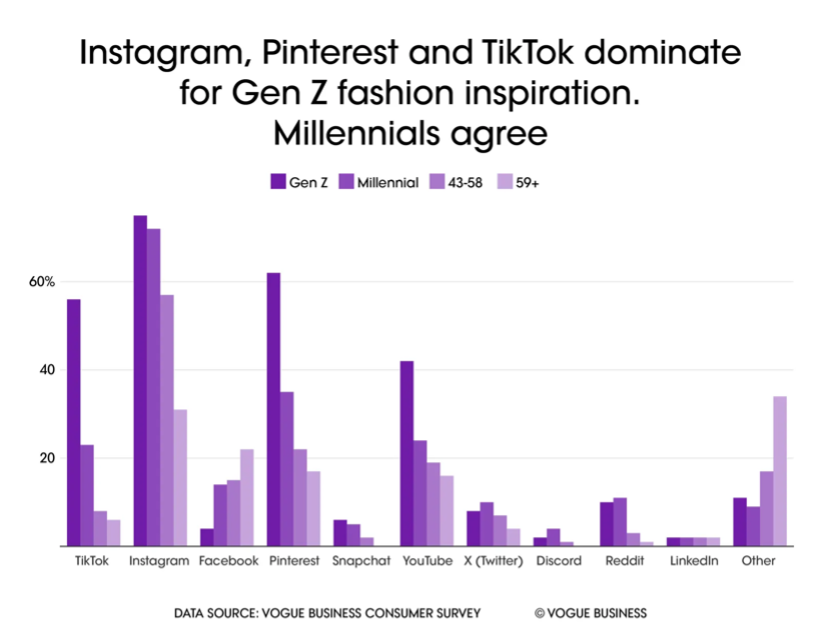
Aesthetics in the context of social media are physical attributes, personal fashion, content and art you produce that give off a specific “vibe”. Though the term itself is not new, the word aesthetic holds more influence over young people today compared to 10 years ago.
Social media algorithms play a significant role in influencing which aesthetic dominates this week. Algorithms push content onto your feed based on various elements such as, engagement, content type, timing, relevance, etc. and can immensely influence consumer choices.
Based on an online experiment, conducted by Eric Bogert, Aaron Schecter and Richard T. Watson, it was shown that people rely on algorithms for decision-making – especially when the task seems difficult.
Now how does this tie into fashion aesthetics? Getting dressed for the day is a task that involves a lot of decision-making, and for many people it’s difficult to make a decision because there are too many options.
Having a “fashion aesthetic” to look up, such as “quiet luxury” or “clean girl”, can be a way to make this decision-making process easier, and people can just copy what they see others wearing online.
Content creator, Eliana Peart, has noticed both the positive and negative aspects of this. While aesthetics can be inspiring, she feels they can also lead to online similarity. “A lot of the time it can cause everyone to dress the same” she says, “but in the same breath I think lots of people are able to take fashion trends and make it something of their own”.
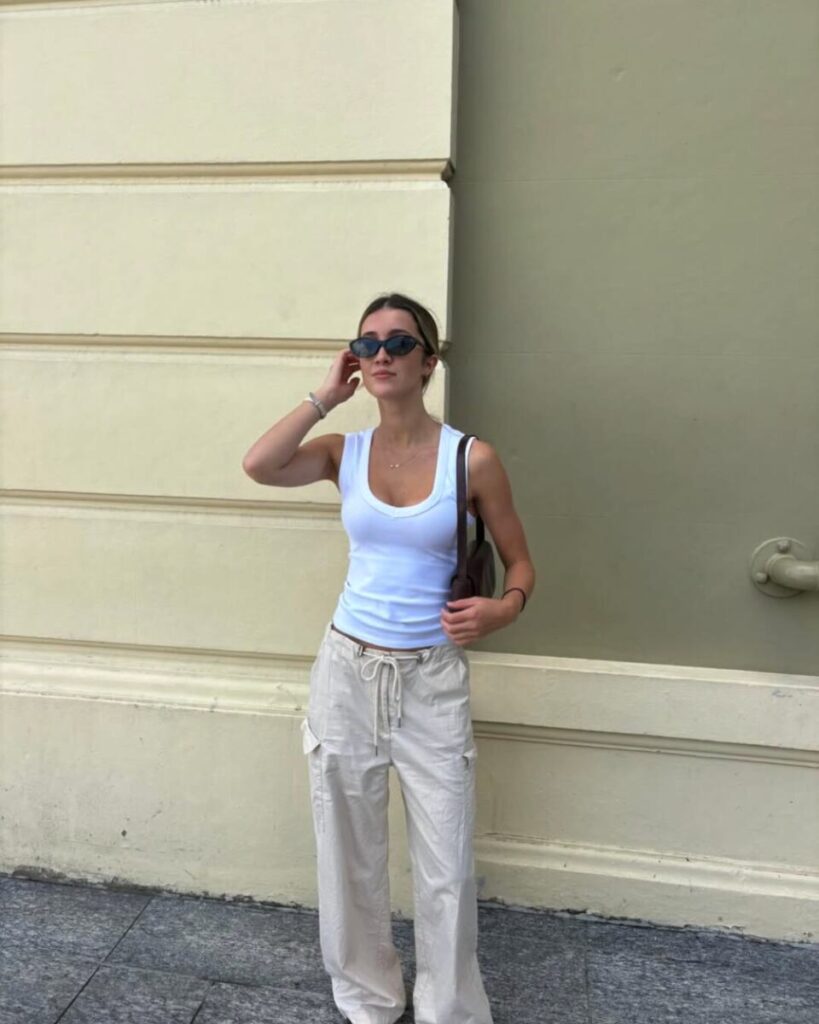
However, though these are visual aesthetics, they more often than not represent a lifestyle that many strive for. Eliana explains how this is more than just clothing, “it is an ideal lifestyle that many people have the privilege to share, which then puts pressure on others for this to become a trend that they need to do”. “Clean girl aesthetic” for example is the girl who has her life together – she eats well, works out, looks good, has a simple but effective skincare and makeup routine. For many young people, their thought process is that if I can dress like her, then I’ll be able to also live like her. Because aesthetics spread far and wide on social media at light speed, it starts a trend. Many young people see dressing like the “clean girl” as a means of embodying the lifestyle she symbolises, thus creating a trend that trickles into the fashion world – and these fashion brands are fast to react to the growing trends by creating products that enable customers to replicate the lifestyle being portrayed on social media.
Fashion has always reflected what is going on in the world and has been used throughout history to rebel, signal change and stand for what individuals believe in. For example, the rise of the mini skirt in the 60s – an example of a fashion trend, however its more than just the shortening of a hem, the mini skirt in the 60s symbolised youth freedom and women’s liberation. It was a time where the youth wanted to claim autonomy over their bodies, the attitudes towards sex were changing and post-war conservatism was something to be challenged. It became a milestone in self-expression and independence, and aligned with the second-wave feminism movement.
Another example of fashion reflecting society is the punk movement. Emerging in the mid 70s, punk wasn’t just a fashion sub-genre, it was a counter-cultural movement that was a reaction against cultural commercialisation and was a statement of defiance and non-conformity. Punk fashion was all about creativity and independence, with many of the clothing being DIY. Safety pins, ripped clothing, spikes, spiked hair and leather jackets were some of the more obvious characteristics of punk fashion, while music and art were politically charged, speaking about the group’s disdain towards the status-quo.
Although these are examples of trends in previous generations and one could argue that they were also dressing the same – most of the clothing was not the same. There was still individuality in what people were wearing, and fashion became their communication to the world. While these past generations utilised fashion to challenge societal norms, today’s trends are driven by algorithms and online platforms.
With algorithms pushing trend after trend, it’s easy to fall victim to “micro-trends”. These are the trends that disappear as quickly as they come, yet for the split second they are “it”, social media and physical clothing stores are saturated with them.
Young consumer, Lola Newland, feels social media can make certain styles and brands really popular, really quick, leading to these small trends being everywhere. She says “when I was younger I was more easily influenced by online trends… now social media fashion trends capture my attention but don’t necessarily sway me to buy it”.
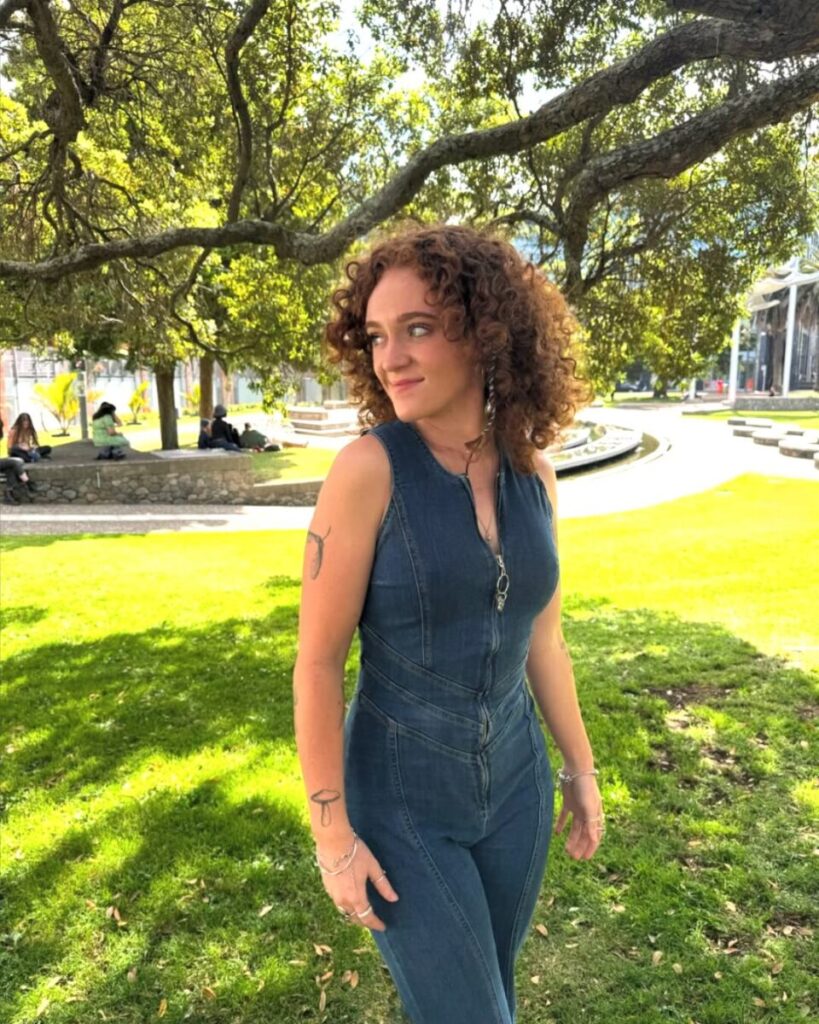
She thinks that personal style is so important in a world that is constantly consuming content, “self-expression is really important because people’s ability to so freely access other people’s ideas of style creates such a “right or wrong” mind when it comes to how to dress”. Though she is the target demographic for these constant micro-trends, Lola is confident and sure in herself and her style that if social media disappeared tomorrow she would be fine, “I’d end up dressing for my own enjoyment rather than look online for inspiration”.
The social media effect is not only present in individual wardrobes but is being seen in the clothing rental space. Working closely with customers, Storm Benson, owner of Renting with SB, a designer dress hire company in Hamilton, has seen “more people are becoming a lot more trend focused and less people are becoming more individual”. Storm has observed first-hand the impact social media trends have on customers. She explains how she gets lots of emails and messages asking to bring in specific dresses and styles, “people are obviously scrolling on social media, see someone wearing something and want to wear it”. Her observations could suggest that customers are finding inspiration through social media platforms such as TikTok and Instagram, and instead of personal experimentation, they will choose what the algorithms show them.
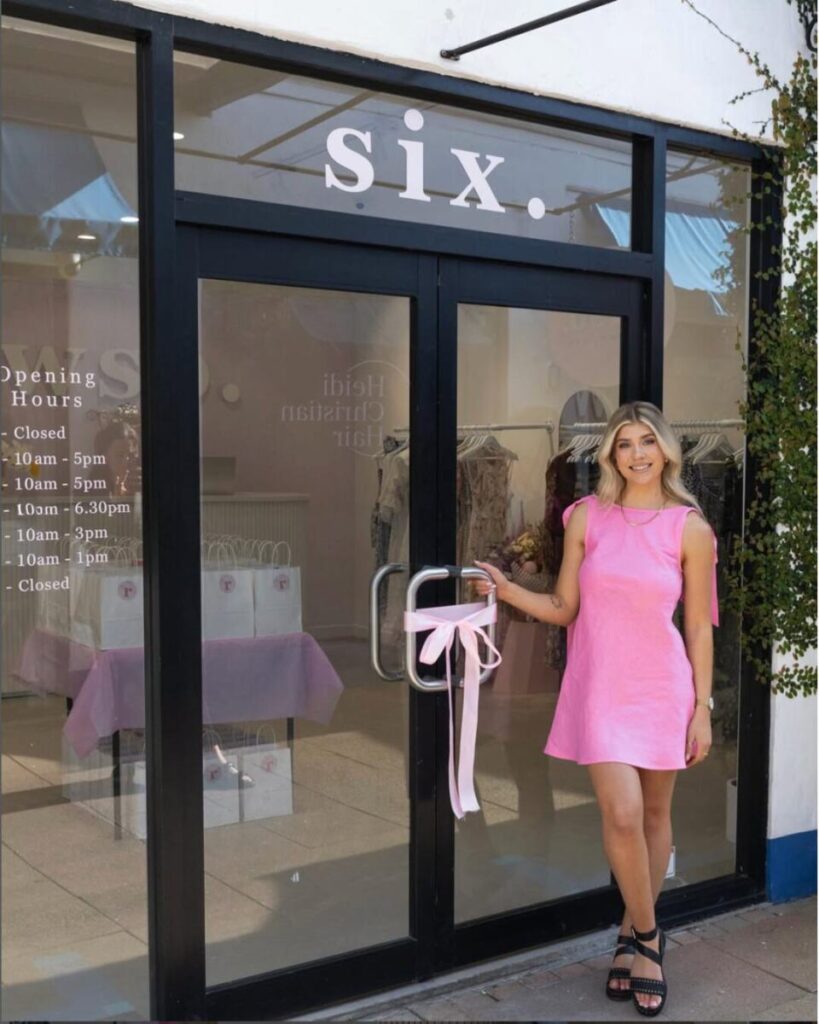
“As soon as we get something that’s trending, it’s often rented quite quickly and out off the floor straight away”. Storm works with customers of all ages, for all occasions, and noting that the new and trendy dresses fly out the door, could also suggest that people are shopping by what they see online or what is popular, not personal preference or personal style.
However, the impact of social media is not entirely negative. Algorithms may promote conformity, but they can also introduce users to new styles, build niche fashion communities and find inspiration from places they never thought to look.
For Lola and many young people, social media can serve as a tool for creative discovery while also being a trend machine, “TikTok and Instagram definitely expose me to new trends and aesthetics in the fashion industry…[I’ll only purchase something because] it will have more to do with the fact I like the item and I see that I can get a lot of use out of it.”
Maybe young people are finding their own “aesthetic” even when it’s not a direct trend? Maybe individuality isn’t disappearing for good, just adapting to content-saturated algorithms
At the end of the day, one thing is abundantly clear: your blue screen has become one of the most influential fashion stylists. Whether social media is restricting individuality or just changing how it’s portrayed remains up for discussion.
Lola hopes young people are recognising the constant push of trends through social media and are opting to be inspired not outright copy.
As she said “personal style should be more about choosing things that reflect your own taste and make your feel good”.
Jessica Mealing is a student on the Bachelor of Communication